Origins

In 1947, master carpenter Kimura Seibee, renowned for his modern sukiya architecture, constructed Ohashi Charyo in Tokyo's Toranomon district. Despite its location in the heart of Japan's political and economic center, the teahouse was designed as a tranquil sanctuary, complete with a flowing stream that creates a serene atmosphere amidst the surrounding skyscrapers. As one of Tokyo's most significant postwar sukiya-style architectural complexes, it holds high cultural heritage value.

Urasenke's Tokyo Sanctuary

During the post-war Occupation era, when American forces had requisitioned most hotels, Tantansai resided at Ohashi Charyo and conducted his tea ceremony lessons there. For approximately eleven years, the teahouse served as Urasenke's primary Tokyo training base, establishing its significance in the modern history of Japanese tea culture.

The hostesses remembered Tantansai as “gentle, broad-minded, and noble.” Itō Sōten, a distinguished Urasenke instructor, regularly accompanied the Grand Master, ensuring the continuity of Tokyo's tea training system. The renowned Tayama Hōnan—leading scholar of calligraphy, cultural property official, poet, and tea practitioner—was a frequent visitor, transforming the Saryō into a vibrant hub of cultural exchange.

The History of Ohashi Charyo

Living Traces of History

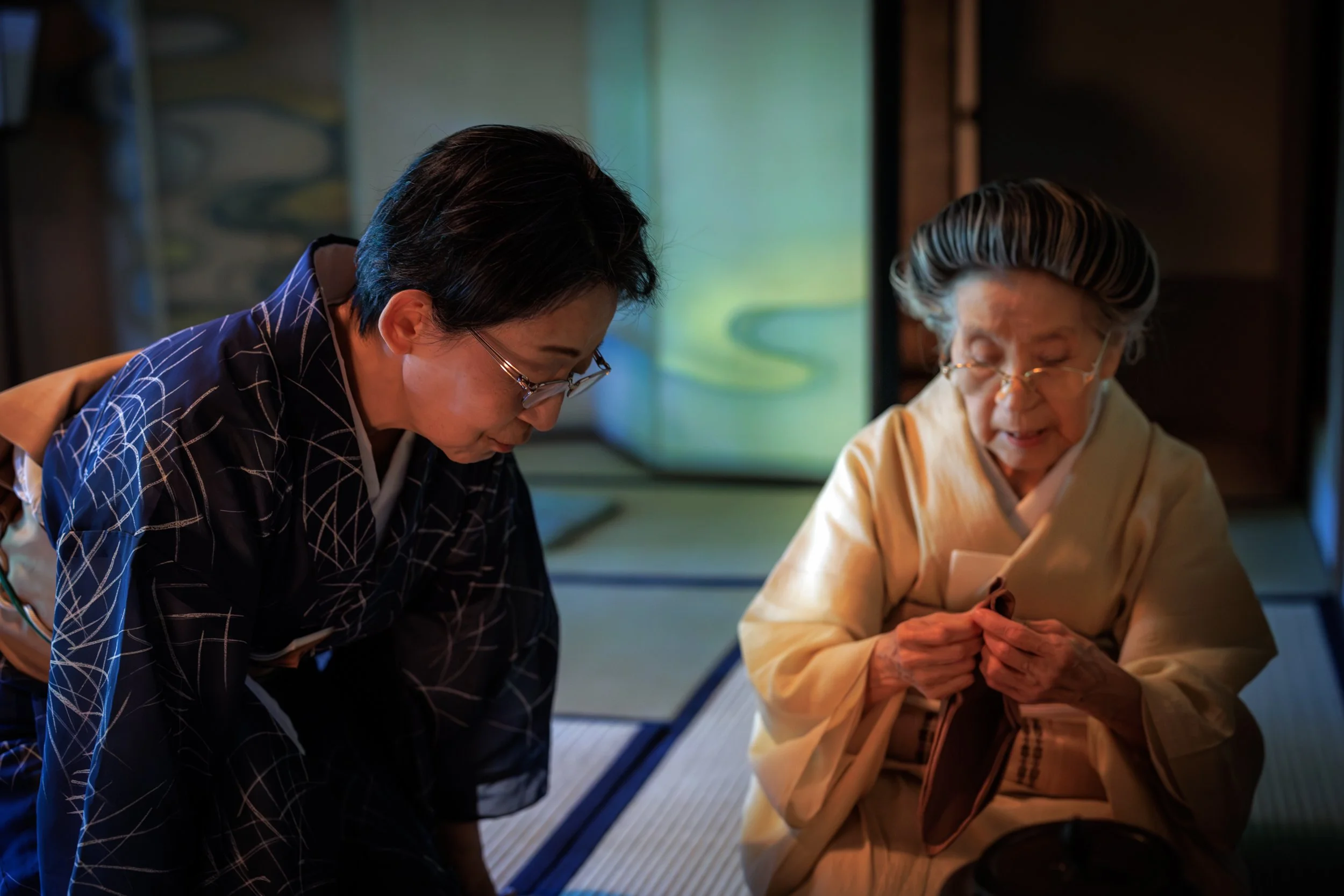
Founded in postwar Tokyo by Ohashi Soki, who drew inspiration from artist and gastronome Kitaoji Rosanjin, Ohashi Charyo embodied quiet innovation rooted in the Way of Tea. Her successor, Ohashi Sono, refined this spirit with grace and discipline, preserving the teahouse as a gathering place for cultural and tea practitioners. Today, the third and fourth generations continue to uphold the legacy begun in 1947, carrying its living traditions forward.

Through the devotion of its remarkable hostesses and the enduring patronage of Japan’s most distinguished cultural figures, Ohashi Charyo became more than a teahouse—it evolved into a living bridge between tradition and modernity, ensuring that the refined spirit of Chanoyu continues to flourish in the heart of Japan’s ever-changing capital.