Concept
Built between 1947 and 1949 by master sukiya carpenter Kimura Seibei IV, Ohashi Charyo represents a remarkable postwar center of tea culture in Tokyo. Founded by Ohashi Soki, the complex gained profound cultural significance when Urasenke's 14th Grand Master Tantansai designated it as his Tokyo training hall, making it a living repository of Japan's most refined architectural and cultural traditions.
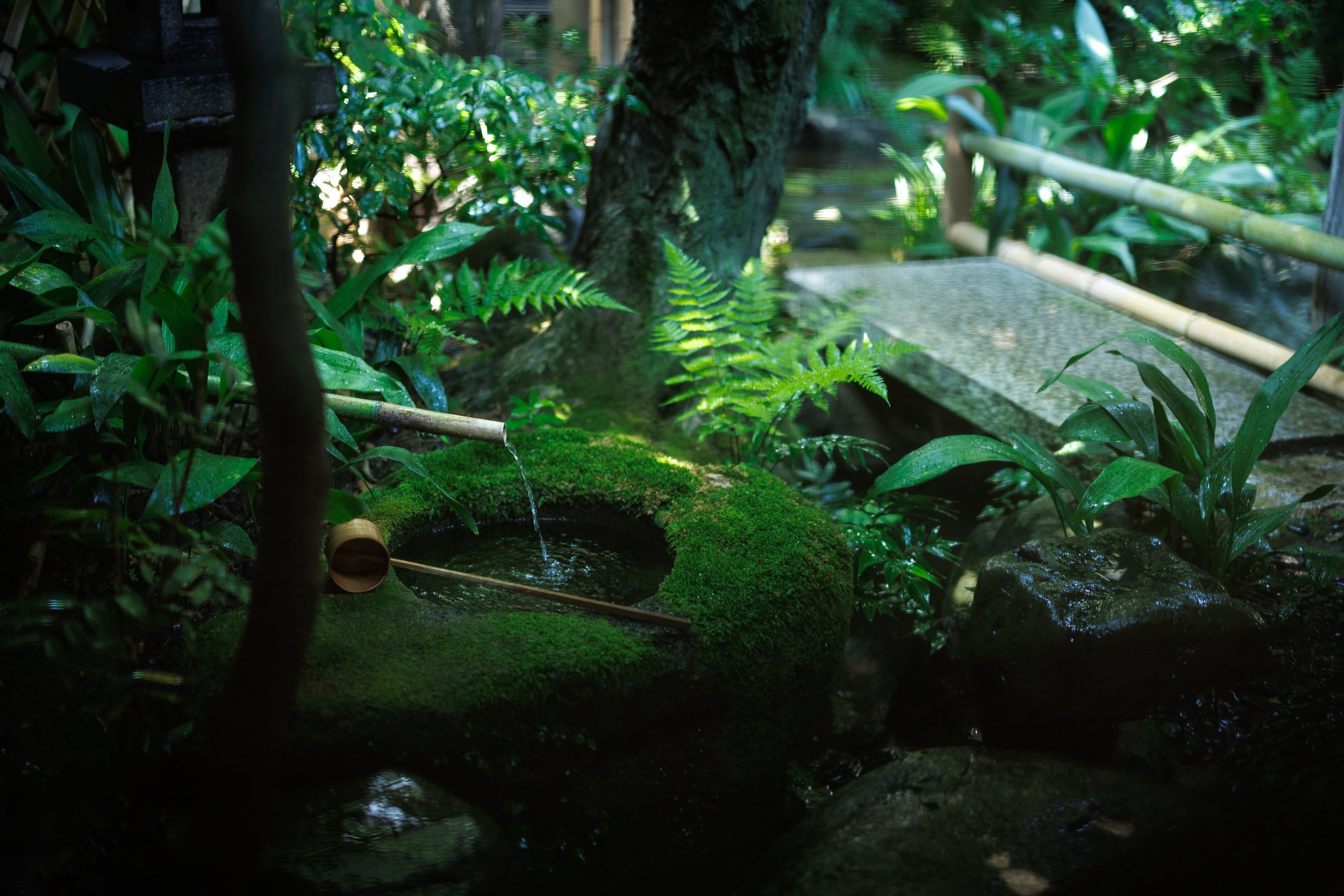
The complex follows a distinctive square layout arranged around a central roji (tea garden). This thoughtful design creates a clear boundary between the inner sanctuary and the bustling outside world, embodying one of tea culture's essential principles: the creation of a sacred space for contemplation and refinement within an urban environment.
Jo-an: Classical Heritage Preserved
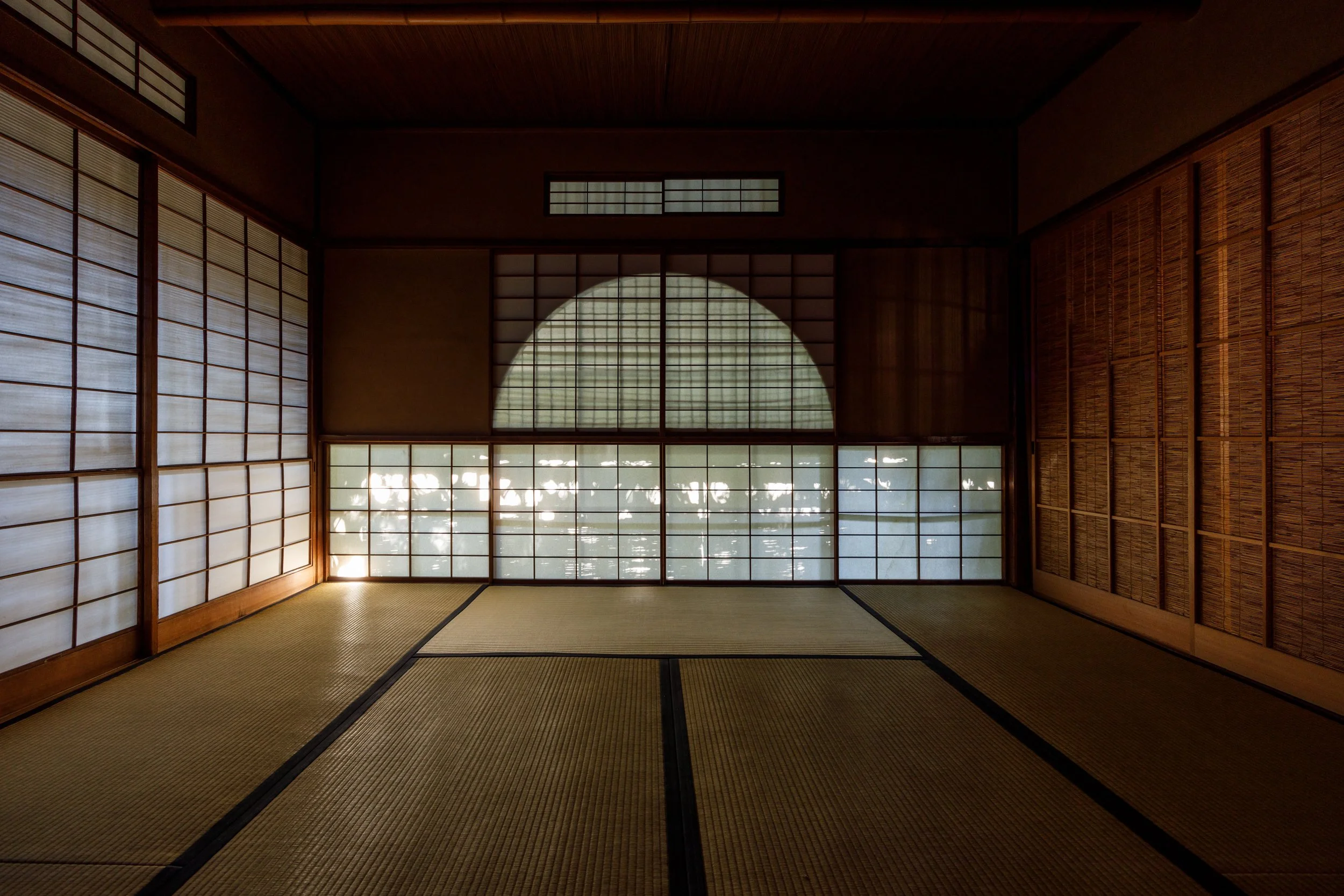
The Jo-an tearoom recreates the famous historical tearoom built by Oda Uraku, the renowned warlord and tea master who was the younger brother of Oda Nobunaga. Its inclusion at Ohashi Charyo demonstrates the establishment's commitment to preserving the classical lineage of tea architecture and connecting contemporary practitioners with the masters of previous centuries.
Katsura: Imperial Elegance
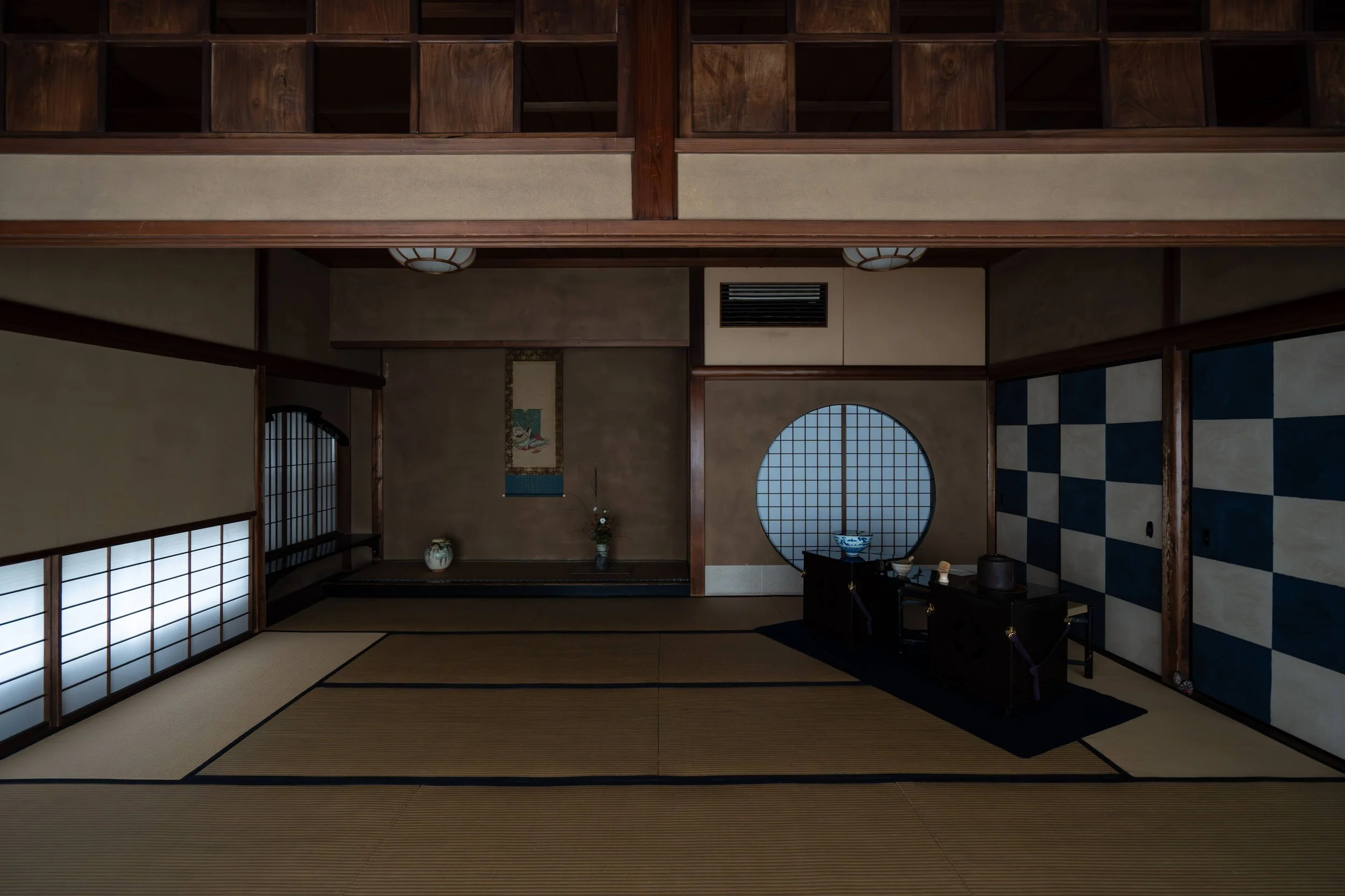
The Katsura tearoom embodies the sukiya style reminiscent of the refined aesthetics found at Katsura Imperial Villa. Its design philosophy emphasizes simplicity and elegance, creating an atmosphere where natural beauty and architectural restraint combine to support the meditative aspects of tea practice.
Yamabuki: Intimate Gatherings
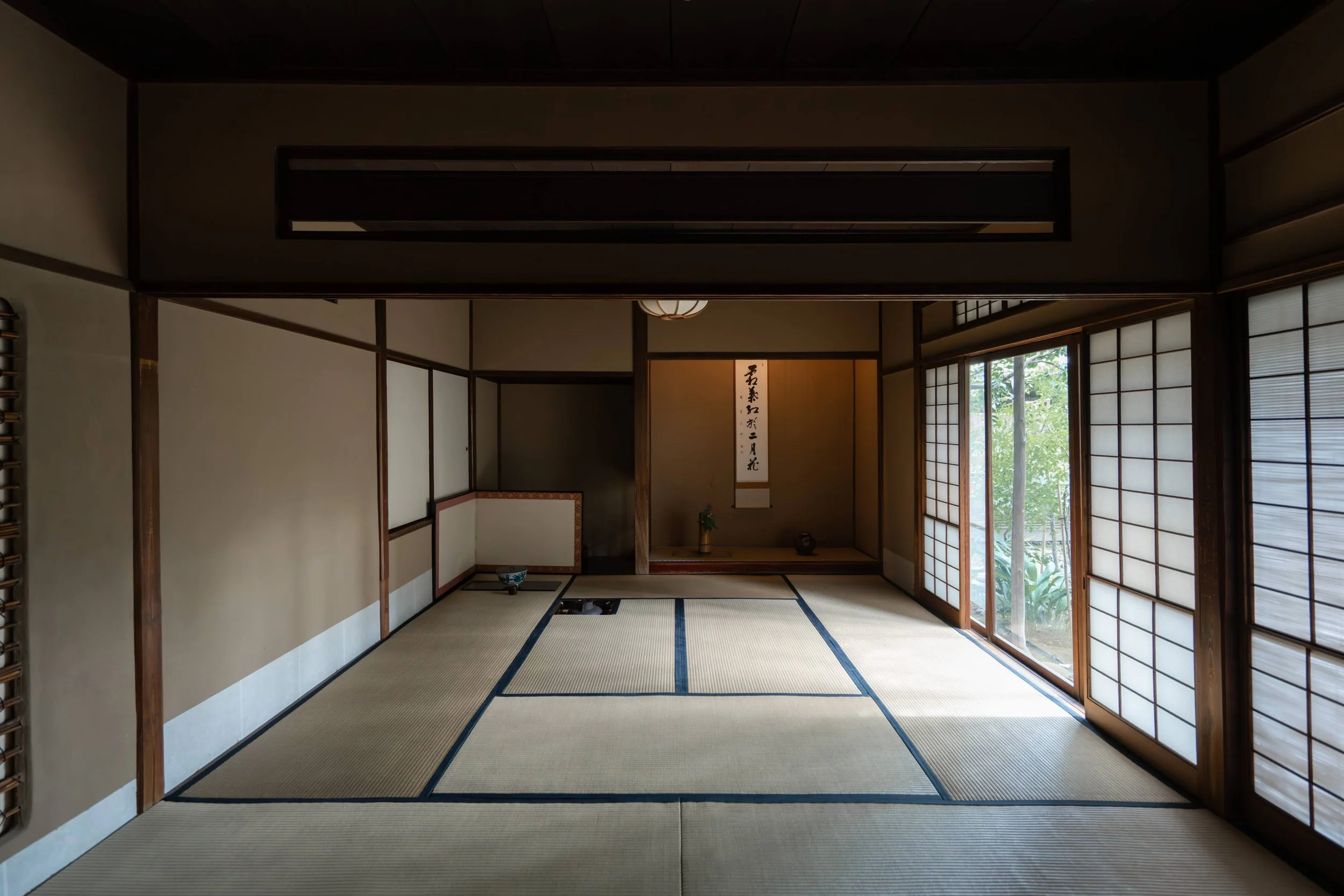
Yamabuki offers a smaller, more intimate setting designed specifically for close gatherings and informal tea occasions. Its proportions encourage a sense of warmth and personal connection among participants, reflecting the tea ceremony's emphasis on harmonious human relationships.
Aoi: The Heart of Urasenke Tradition
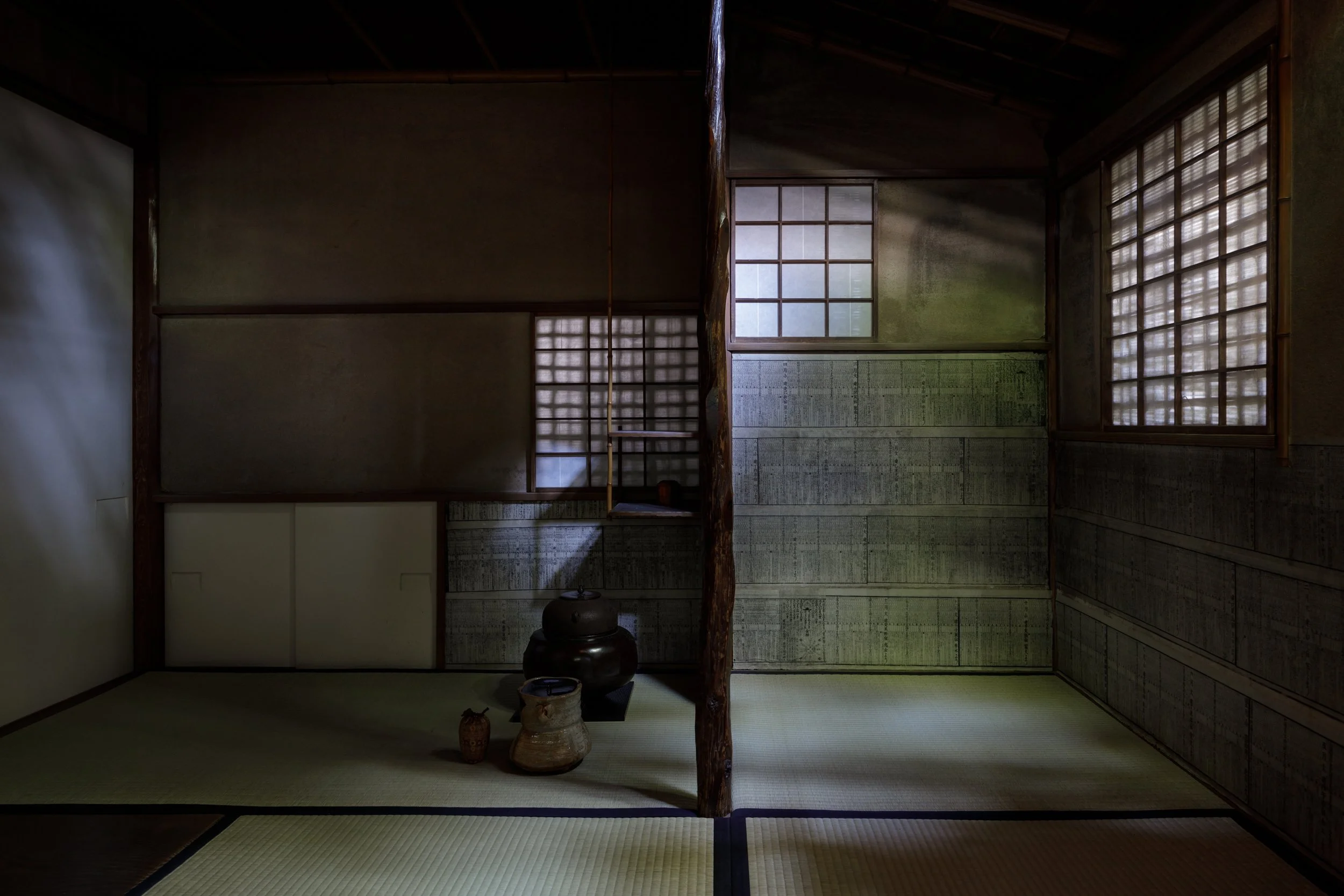
Aoi serves as a faithful replica of Urasenke's celebrated Totsutotsusai teahouse in Kyoto. This room holds special significance as the space where Grand Master Tantansai conducted his Tokyo training sessions during the late Meiji through Showa periods. The columns still bear physical marks from his presence, serving as tangible symbols of how Kyoto's tea spirit was successfully transplanted into Tokyo's cultural landscape.
The Waiting Experience
The waiting area, Shoken-an, draws inspiration from Matsudaira Fumai, the Edo-period daimyo and celebrated tea master who ruled Matsue. In this space, guests traditionally prepared their minds before entering the tearoom, often while contemplating a carefully chosen scroll or seasonal flower arrangement. This preparatory ritual emphasizes tea culture's understanding that the ceremony begins not with the first sip, but with the first moment of mindful attention.
Architectural Legacy
Through Kimura Seibei IV's masterful craftsmanship and the vision of its founders, Ohashi Charyo successfully recreates some of Japan's most significant historical tea spaces within a single complex. Each room serves not merely as architectural recreation, but as a living classroom where the wisdom and aesthetics of tea masters from different eras continue to guide contemporary practice. The complex stands as testament to the enduring power of traditional Japanese architecture to create spaces for cultural transmission and spiritual cultivation.